
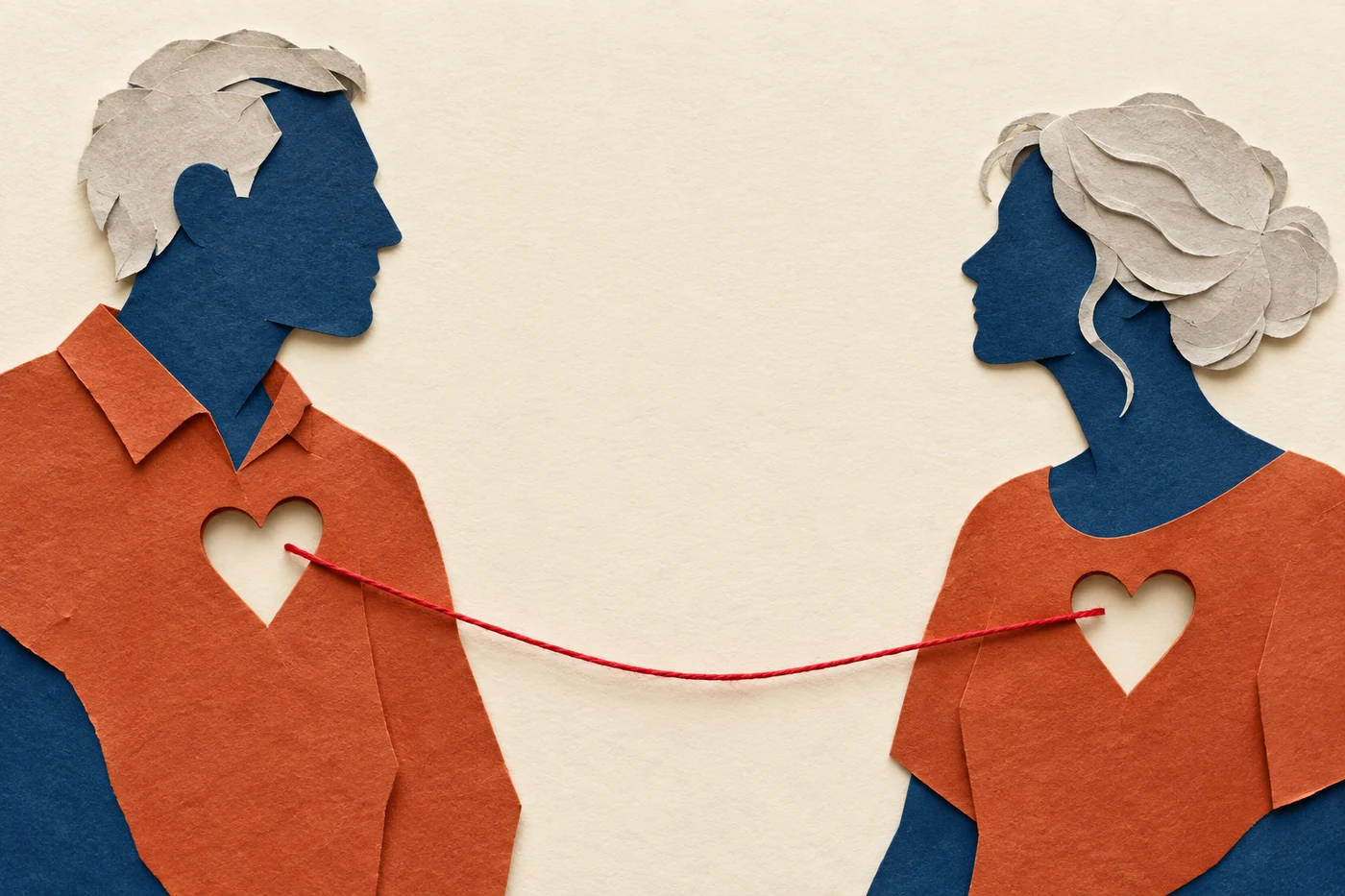
Less firmness, less spontaneity, or worry about the next intimate moment can affect confidence. You do not have to dismiss recurring changes as “just getting older,” and you do not need to solve the question alone.
There can be more than one reason
Erection difficulties can involve blood vessels, nerves, medicines, hormones, or emotional factors. Diabetes and cardiovascular conditions are among the possible contributors. Stress can also make things harder. That variety is why a medical conversation is more useful than guessing at a single cause. Read the NIDDK explanation ↗
Bring three practical questions
- Could a health condition or a medicine be contributing?
- What evaluation makes sense for my situation?
- Which treatment options fit my health and preferences?
Make a list of medicines and supplements before your visit. Do not stop prescribed treatment on your own. Mention when the change started and whether it happens occasionally or consistently.
Keep closeness in the conversation
If you have a partner, choose a calm moment outside the bedroom to talk. Explain what is worrying you without making the discussion a performance test. Affection, time together, and communication can remain part of your relationship while you seek help.
What about lifestyle?
Daily habits can be part of a clinician’s plan, but research in one group does not guarantee a result for another. The trial below is useful context, not a reason to delay assessment or replace treatment with a product.
RESEARCH IN PLAIN ENGLISH
What did the study find?
Randomized trial · 110 menA two-year lifestyle program improved erectile-function scores in some men with obesity. Participants were 35–55 and did not have diabetes, hypertension, or high cholesterol. The findings cannot be directly generalized to every man over 60 or to a supplement.
Read the study on PubMed ↗FROM THE EDITORIAL DESK
We would like conversations about intimate health to feel as ordinary as discussing sleep or blood pressure. Clear questions are a more useful first step than blame or embarrassment.
Biontu Editorial · Our practical perspective
How does this fit your day?
What would make general information about men’s health easier to understand?
Have a practical tip or a different perspective? Email the editorial team. Please leave out private medical details. We will ask your permission before publishing your words.
Share your perspective by email ↗Sources & further reading
Esposito et al. (2004). Lifestyle changes and erectile dysfunction in men with obesity. JAMA. ↗
NIDDK · Symptoms and causes of erectile dysfunction ↗
This guide is for general education. It is not a diagnosis or a personalized treatment plan. Ask a qualified health professional about your individual situation.