
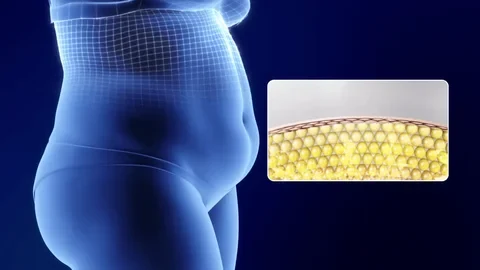
If weight loss is appropriate for you, the plan should help you live well—not simply make you lighter. Ask how eating changes and activity can support your ability to carry groceries, climb steps, and keep doing the things you enjoy.
Start with the right question
“Should I lose weight?” is a better starting point than “How fast can I lose it?” Your clinician can consider health conditions, appetite, medicines, and function. Unplanned weight loss deserves assessment, particularly when it comes with weakness or reduced appetite.
Build a plan around ordinary meals
- Keep meals varied rather than removing entire food groups without a reason.
- Discuss appropriate protein sources and portions with a dietitian.
- Choose changes that fit your shopping budget and cooking routine.
- Make room for enjoyable foods so the plan is workable.
Ask about strength as well as walking
A supervised study in older adults with obesity found value in combining different kinds of exercise during weight loss. It does not mean you should copy a demanding gym program. A professional can help adapt activity to your balance, joints, and current ability.
Notice more than pounds
Keep track of practical changes you care about: completing a comfortable walk, getting up from a chair, or feeling able to prepare meals. These observations can help your care team judge whether a plan supports your wellbeing.
If a medical condition limits protein, fluids, or activity, work within that guidance rather than following a generic online target.
RESEARCH IN PLAIN ENGLISH
What did the study find?
Randomized trial · older adults with obesityDuring supervised weight loss, combining aerobic and resistance exercise improved physical performance more than either exercise type alone. Resistance training helped limit lean-mass loss compared with aerobic exercise alone. The program was supervised; it is not a ready-made exercise prescription.
Read the study on PubMed ↗FROM THE EDITORIAL DESK
We would judge a plan by how well it supports daily life, not by how dramatic its promises sound. Feeling stronger is worth keeping in the conversation.
Biontu Editorial · Our practical perspective
How does this fit your day?
Which everyday activity would you most like to feel stronger doing?
Have a practical tip or a different perspective? Email the editorial team. Please leave out private medical details. We will ask your permission before publishing your words.
Share your perspective by email ↗Sources & further reading
National Institute on Aging · Healthy eating, nutrition and diet ↗
This guide is for general education. It is not a diagnosis or a personalized treatment plan. Ask a qualified health professional about your individual situation.